Seven Moments That Made American Online Casinos What They Are Today

Photo: jmerelo, CC BY-SA 2.0, via Wikimedia Commons
If you've ever opened an online casino app in Michigan on a Tuesday night and thought nothing of it, congratulations — you're enjoying the end result of three decades of chaos. The American online casino market didn't just appear. It was built, banned, sued, rebuilt, and finally regulated one state at a time. Here's the short version, told through the seven moments that mattered most.
1. The Mid-1990s: The Wild West Opens
When the first real-money gambling sites went live in the mid-90s — many operating from Caribbean jurisdictions like Antigua and Barbuda — Americans logged on with dial-up modems and credit cards, and the modern online casino was born. These offshore sites were rough around the edges, lightly regulated, and wildly popular. Crucially, they established the pattern that would define the next 25 years: the technology existed, the players existed, and the law needed time to catch up.
2. 2006: UIGEA — The Hammer Drops
The Unlawful Internet Gambling Enforcement Act slipped into a port security bill and changed everything. It didn't outlaw online gambling for players outright, but it made it illegal for financial institutions to process gambling payments — effectively cutting off the industry's oxygen supply. Major publicly traded operators fled the US market overnight. Players who stayed with offshore sites entered a gray zone that, frankly, still exists today.
3. 2011: The DOJ's Opinion Flip
For years, the federal government read the Wire Act of 1961 as banning all online gambling. In December 2011, the Department of Justice reversed course, ruling that the Wire Act applied only to sports betting. That single legal opinion cracked the door open for states to legalize online casinos and poker on their own terms. Without it, the modern market simply doesn't happen.
4. 2013: Nevada, New Jersey, Delaware Go Live
The door cracked open, and three states walked through it. Nevada launched online poker, Delaware launched a full casino suite, and New Jersey — ever the overachiever — built what would become the template for the entire industry. New Jersey's early years were bumpy (the launch was famously plagued by geolocation and payment glitches), but the state proved the model: licensed, taxed, regulated online casinos could work in America.
5. 2018: PASPA Falls and the Floodgates Open
When the Supreme Court struck down the federal ban on sports betting in Murphy v. NCAA, it wasn't a casino ruling — but it was a massive accelerant. States that legalized sportsbooks suddenly had the regulatory infrastructure, the licensing frameworks, and the political appetite to add online casinos to the mix. Pennsylvania launched online casinos in 2019, and the dominoes kept falling.
6. The 2020s: Live Dealer Changes the Game
As more states came online — Michigan, Connecticut, West Virginia, Rhode Island — the product itself evolved. Live dealer studios, streamed in HD from purpose-built facilities in New Jersey and Pennsylvania, brought the table game experience to people's couches. Suddenly online casinos weren't just digital slot cabinets; they were a genuine alternative to a night at the Borgata or MotorCity. Game shows, lightning roulette, unlimited blackjack — features that would've seemed like science fiction in 2006 became standard.
7. Right Now: The State-by-State Standoff
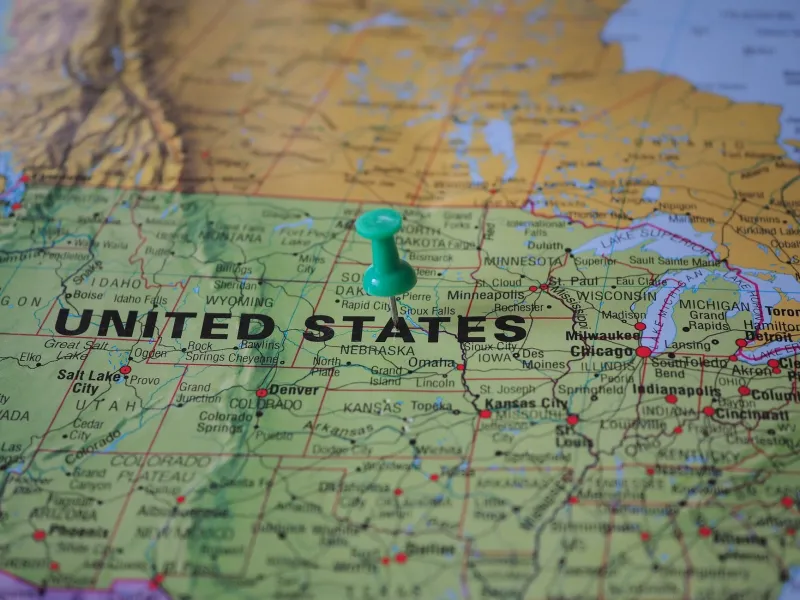
Which brings us to today, where the market is a patchwork. Six states offer legal, regulated online casinos; dozens offer sports betting only; and the rest remain offline, leaving players to choose between drive-to-border trips or the unregulated offshore gray market. Every legislative session brings new bills, new lobbying money, and new predictions about which state goes next. The honest answer is that nobody knows — but the direction of travel over the last decade has only gone one way.
Why This History Matters to You
Understanding this story isn't just trivia. It explains why your deposit options look the way they do, why geolocation checks are so aggressive, why the game library differs wildly between New Jersey and, say, Ohio, and why "US-friendly" offshore casinos still advertise so heavily in states without legal options. Every quirk of the modern American online casino experience is a scar from one of these seven moments.
The market went from dial-up outlaws to state-licensed apps in one generation. Wherever you're reading this from, you're living in the newest chapter — and based on the last 30 years, it's going to be a lively one.