Playing by the Rules: A State-by-State Breakdown of Where Online Casino Gaming Actually Works for Americans
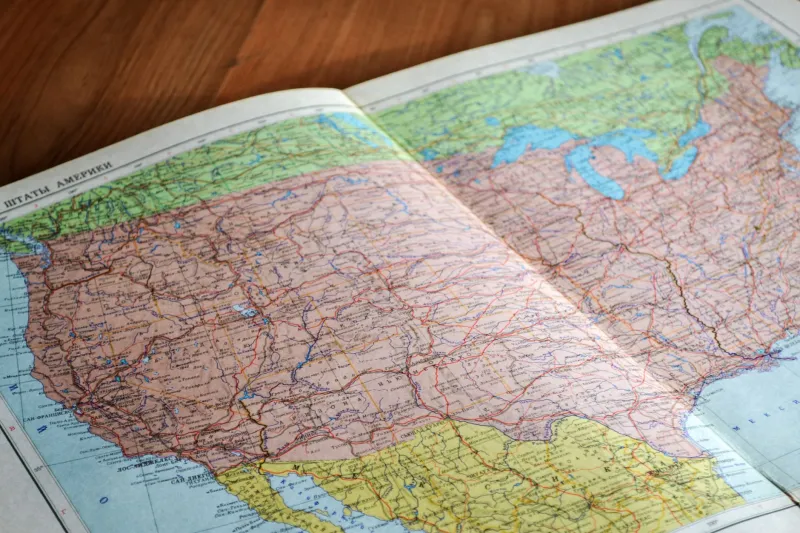
Here's something a lot of players don't realize until it's too late: online casino gaming in America isn't governed by one big federal rulebook. It's a patchwork of state laws, individual licensing agreements, and regulatory bodies that vary wildly depending on which side of a state line you happen to be on. The good news? Some states have built genuinely excellent online gaming environments. The not-so-great news? Others are still in the dark ages — or outright prohibit it.
Let's walk through the landscape as it stands in 2024, so you can figure out exactly what's available to you and how to make the most of it.
The Gold Standard States: Where Online Casino Gaming Is Fully Legal
A handful of states have done the hard regulatory work and built frameworks that protect players while offering a wide variety of games. These are the places where online casino gaming really shines.
New Jersey remains the undisputed leader. Since legalizing online gambling back in 2013, the Garden State has developed one of the most competitive markets in the country. Players here have access to dozens of licensed operators, robust consumer protections through the Division of Gaming Enforcement, and some of the best welcome bonuses you'll find anywhere. Geolocation is required, but the experience once you're verified is smooth and well-regulated.
Pennsylvania has quietly become a powerhouse. The state launched its online casino market in 2019 and now hosts major names like BetMGM, DraftKings, and Caesars. Game libraries tend to be extensive, and the Pennsylvania Gaming Control Board keeps operators honest. One thing to watch: PA has some of the higher tax rates on operator revenue in the country, which can sometimes affect the generosity of promotions.
Michigan joined the party in 2021 and has grown rapidly. What makes Michigan interesting is the involvement of tribal gaming operators alongside commercial brands, which adds some unique regional flavor to the market. The state's gaming board is active in player dispute resolution, which matters more than most people think.
Connecticut and West Virginia round out the fully legal states, though their markets are smaller and game libraries can feel a bit limited compared to NJ or PA. Still, if you're in either of those states, you have solid, legitimate options.
Delaware technically qualifies too, though the market is state-operated and notoriously thin in terms of variety.
The Sports Betting States: So Close, Yet So Far
This is where things get frustrating. A large chunk of the US has legalized sports betting but hasn't extended that permission to full casino-style games — slots, table games, live dealer, and so on.
States like New York, Illinois, Colorado, and Arizona fall into this category. You can absolutely bet on the NFL or spin up a daily fantasy lineup, but if you want to play online blackjack or slots legally, you're out of luck within state borders. Some operators try to blur the line with "social casino" products, but those don't pay out real money.
The pressure is building in several of these states to expand. New York, in particular, has seen ongoing legislative discussions about online casino gaming, given the massive tax revenue it could generate. Watch that space — things could shift quickly.
What Regulatory Differences Actually Mean for Your Wallet
It's easy to think of regulation as background noise, but it directly affects your experience as a player in some concrete ways.
Withdrawal speeds tend to be faster in well-regulated states because operators must meet specific processing standards. In New Jersey, for instance, most licensed sites are required to process withdrawal requests within a defined window.
Dispute resolution is another big one. In regulated states, you have an actual government body you can contact if an operator refuses to pay out or freezes your account. That's not a small thing. Without regulation, you're essentially on your own.
Game fairness gets more attention too. Licensed operators in states like Michigan and Pennsylvania must submit their RNG (random number generator) software for independent testing. You're not just trusting the casino's word for it.
Bonus terms can also vary by state. Some states have rules around what operators can and can't require for promotions, which can work in your favor. Pennsylvania, for example, has seen some scrutiny around wagering requirements on bonuses.
What If You're Not in a Legal State?
This comes up constantly, and it's worth being straightforward about it. If you're in a state without legal online casino gaming, offshore sites will absolutely try to market to you. These platforms operate in a legal gray area at best — they're not licensed by any US state authority, which means none of the player protections mentioned above apply.
That doesn't mean every offshore site is a scam, but you have significantly less recourse if something goes wrong. Payouts can be slower, dispute resolution doesn't really exist, and you're putting real money into an unregulated environment.
The smarter play if you're in a non-legal state? Keep an eye on your state legislature, use social casino apps for entertainment without real-money risk, and wait for the market to catch up. It's happening — just slowly.
State-Specific Bonuses: Are They Really Different?
Yes, and sometimes significantly. Operators often tailor their welcome offers by state based on local competition and regulatory requirements. New Jersey tends to see the most aggressive bonus competition simply because so many licensed operators are fighting for the same player pool. Pennsylvania bonuses are generally solid but occasionally less generous due to higher operating costs.
Always check whether a bonus is geo-restricted to your state before getting excited about it. Plenty of players have made a deposit expecting a promotion they saw advertised, only to find it wasn't available in their location.
The Bottom Line
Where you live matters enormously when it comes to online casino gaming in America. If you're in New Jersey, Pennsylvania, Michigan, Connecticut, or West Virginia, you've got access to a legitimate, well-protected gaming environment with real competitive options. If you're elsewhere, the landscape gets murkier fast.
The US market is expanding, though. More states are looking at the tax revenue potential and the consumer demand, and the next few years could see significant changes. For now, know your state's rules, stick to licensed operators where they exist, and always read the fine print on any bonus before you commit.